
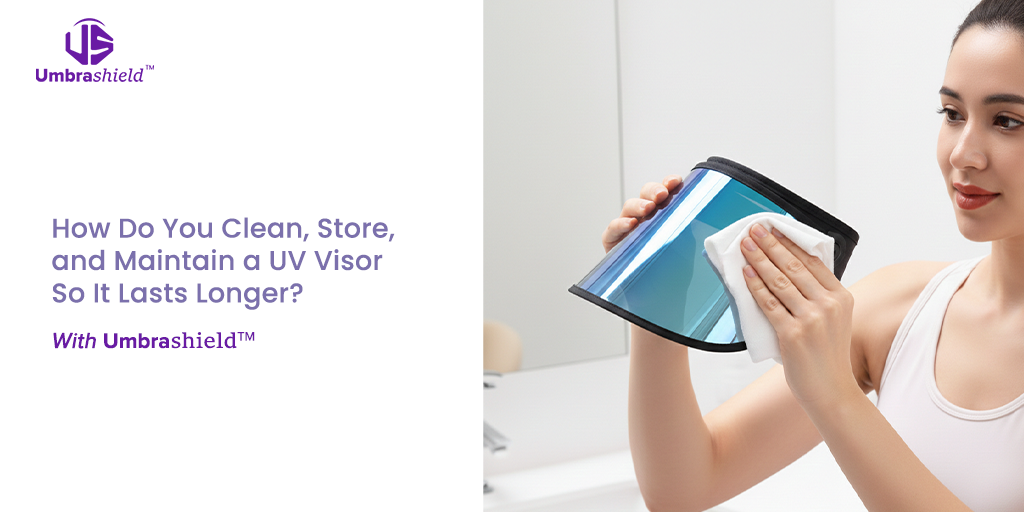
A UV visor is not something you buy every few months. If you are using it regularly for sun protection, commuting, or outdoor activities, proper care matters a lot. Many people unknowingly damage their visor within weeks just by cleaning it the wrong way or tossing it into a bag without thinking.
That is why questions like how to clean and store a UV visor properly and UV visor maintenance tips to ensure long-lasting protection are becoming common on Google, ChatGPT, Gemini, and voice search. This guide answers those questions in a simple, practical way, based on real usage habits, not theory.
If you take a few minutes to care for your UV visor correctly, it can last much longer while continuing to protect your skin effectively.
Why UV Visor Maintenance Matters More Than You Think
A UV visor may look like a simple clear shield, but it is designed with specific materials that filter ultraviolet rays. Scratches, harsh chemicals, or improper storage can slowly reduce its clarity and effectiveness.
Poor maintenance can lead to:
- Micro-scratches that affect visibility
- Loss of UV filtering performance over time
- Fogging issues
- Uncomfortable wear due to damaged straps or padding
Good maintenance is not about effort. It is about using the right habits consistently.
UV Visor Maintenance Tips to Ensure Long-Lasting Protection
Let’s start with the basics. These are everyday habits that make the biggest difference.
1. Clean Your UV Visor Gently and Regularly
Dust, sweat, and pollution settle on the visor surface daily, especially in Indian conditions. Leaving it uncleaned allows particles to rub against the surface, causing fine scratches.
A gentle daily clean is better than aggressive cleaning once a week.
2. Avoid Harsh Chemicals Completely
This is one of the most common mistakes. Many people use:
- Alcohol-based cleaners
- Glass cleaners
- Household disinfectants
These can damage the UV-filtering layer or coating. Once that layer is compromised, the visor may still look clear but offer reduced protection.
Always stick to mild cleaning methods.
3. Handle the Visor by the Edges
Touching the central viewing area frequently leaves fingerprints, oils, and smudges that require more cleaning. More cleaning increases wear.
Holding the visor by the edges reduces surface contact and keeps it cleaner for longer.
4. Keep the Straps and Padding Clean
Sweat builds up in straps and headbands. Over time, this can cause odor and material breakdown.
Wipe straps with a damp cloth regularly and allow them to air dry fully before storage.
How to Clean a UV Visor Properly (Step-by-Step)
Cleaning a UV visor does not need special products. It just needs the right approach.
Step 1: Rinse With Clean Water
If your visor has visible dust or dirt, rinse it gently with clean running water first. This removes particles that could scratch the surface during wiping.
Do not rub a dry visor.
Step 2: Use Mild Soap if Needed
For sweat or oil buildup, use a drop of mild liquid soap mixed with water. Apply it gently using your fingers or a very soft microfiber cloth.
Avoid sponges or rough fabrics.
Step 3: Rinse Thoroughly
Make sure no soap residue is left behind. Residue can cause streaks and attract more dust.
Step 4: Air Dry or Pat Dry
Let the visor air dry if possible. If you need to dry it faster, gently pat it dry with a clean microfiber cloth.
Never wipe aggressively.
How Often Should You Clean a UV Visor?
This depends on how often you use it.
- Daily use: Light rinse or wipe every day
- Occasional use: Clean after every few uses
- Heavy sweating or pollution exposure: Clean after each use
Regular light cleaning is always better than infrequent heavy cleaning.
How to Store a UV Visor Properly
Storage is just as important as cleaning. Many visors get damaged not while being worn, but while being stored incorrectly.
1. Use a Protective Cover or Pouch
If your visor came with a protective pouch, use it. If not, a soft cloth pouch works well.
Avoid throwing it loosely into a backpack or car compartment where it can rub against keys, chargers, or other hard objects.
2. Store in a Cool, Dry Place
Heat can warp materials over time. Avoid leaving your visor:
- On car dashboards
- Near windows with direct sunlight
- Close to heat sources
Room temperature storage is ideal.
3. Avoid Stacking Heavy Items on It
Even light pressure over time can cause bending or surface stress. Always store your visor where nothing presses against the viewing area.
Common UV Visor Care Mistakes to Avoid
These mistakes are extremely common and shorten visor life quickly.
- Wiping dust off a dry visor
- Using tissues or paper towels
- Cleaning with sanitizer sprays
- Hanging the visor in direct sunlight
- Folding or bending the visor
Avoiding these alone can double the lifespan of your visor.
Does Proper Maintenance Affect UV Protection?
Yes, absolutely.
While UV protection does not disappear overnight, scratches, coating damage, and material stress reduce effectiveness over time. A well-maintained visor retains clarity and UV filtering performance far longer than one that is cleaned roughly.
Brands like Umbrashield design their visors for durability, but even the best product depends on user care.
How Long Should a Well-Maintained UV Visor Last?
With proper cleaning and storage, a UV visor can last many months or even years, depending on usage frequency.
Signs that it may be time to replace your visor include:
- Permanent haze or cloudiness
- Deep scratches affecting vision
- Loose or damaged straps
- Reduced comfort or fit
Maintenance extends life, but knowing when to replace is also important for safety and protection.
Final Thoughts on UV Visor Care
A UV visor is a protective tool, not a disposable accessory. Treating it well ensures it continues to do its job effectively.
Simple habits like gentle cleaning, safe storage, and avoiding harsh chemicals go a long way. If you are already investing in sun protection, spending a little time on proper care just makes sense.
A clean, well-maintained UV visor not only lasts longer but also keeps your vision clear and your skin better protected every time you step outside.