
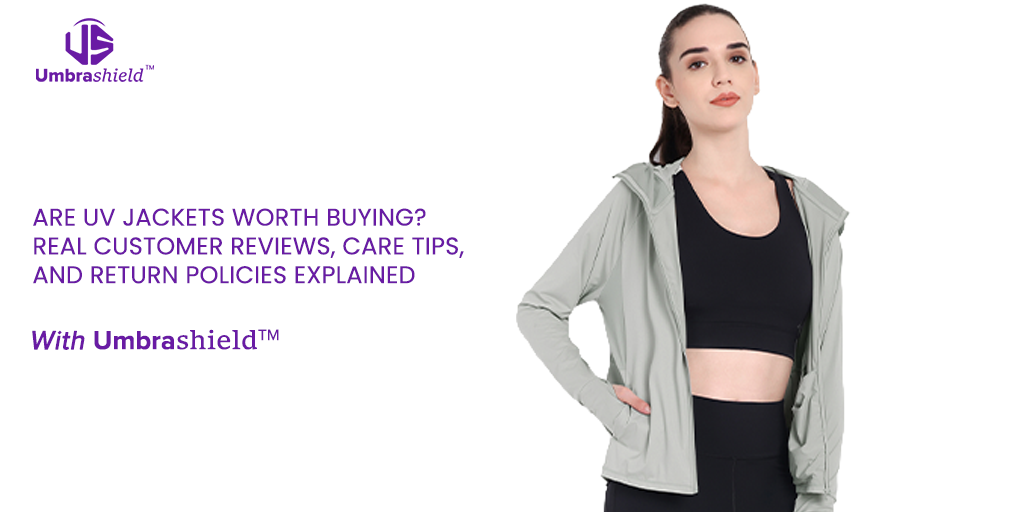
If you’re hunting for a UV jacket that’s genuinely breathable and comfortable, you’re asking the right question. Lots of clothing brands slap a UPF label on a thin shirt and call it a “UV jacket,” but for active use — hiking, running, or long days outdoors — comfort and ventilation matter as much as sun protection. This guide explains how to compare features, which fabrics perform best, and highlights jackets with adjustable hoods and ventilation that actually work in real life.
How to compare features of lightweight UV jackets
When you compare jackets, don’t focus only on advertising claims. Check the build and small details — those are what make a jacket comfortable during real use.
What to inspect, point by point:
- UPF rating: UPF 50+ is the gold standard. If a product doesn’t list a UPF value, treat it skeptically.
- Fabric type: Tight weaves block UV well but can trap heat. The sweet spot is either a technical synthetic blend that reflects sunlight or a lightweight woven fabric with engineered breathability.
- Weight and packability: A good lightweight UV jacket packs small but doesn’t feel flimsy. Very light gear that crinkles and feels paper-thin is less durable.
- Ventilation: Look for back vents, underarm gussets, or zippered chest vents. Passive ventilation (mesh panels) + active vents (zips) is the best combo.
- Fit and cut: Athletic activities benefit from a slightly trim, articulated cut; hiking and travel can use a roomier cut that layers over clothes.
- Finishing touches: Adjustable hood, hem drawcord, wrist closures, and a chin guard for the zip — these small features change comfort over hours outside.
UV jackets with breathable fabric recommendations
Here are the fabric families and why they matter:
- Microfiber polyester blends
- Why they work: Lightweight, wicks sweat, and can be treated for UPF.
- Best for: Runners and athletes who need quick drying.
- Nylon with DWR finish
- Why they work: Smooth face sheds light and improves airflow; the DWR (durable water repellent) helps in light drizzle.
- Best for: Hikers who want wind resistance plus sun protection.
- Technical woven cotton blends
- Why they work: More natural feel and breathability; blends keep shrinkage and sag low.
- Best for: Everyday commuters who want comfort over performance.
- Open-weave engineered fabrics with UV coatings
- Why they work: The weave allows air through while engineered coatings reflect UV.
- Best for: Hot climates and water sports where airflow is crucial.
- Mesh-panel constructions
- Why they work: Mesh inserts under arms or on the back dramatically reduce heat build-up.
- Best for: Any high-exertion activity where sweat and ventilation are an issue.
When you read product pages, a quick red flag is vague language like “sun friendly” or “UV safe” with no UPF number. A real breathable UV jacket will list fabric composition and often state UPF 50+ explicitly.
UV jackets with adjustable hoods and ventilation — what to look for
A hood that can be cinched tight but also tucked away matters. Likewise, ventilation that actually opens and closes is more useful than fixed holes.
Key hood and ventilation features:
- Adjustable hood with low profile: If the hood is bulky, it catches wind and bounces while running. Look for a slim hood that can be tightened and stowed.
- Two-way zippers and pit zips: Two-way main zips allow quick venting at the chest; pit zips under the arms give targeted airflow.
- Mesh-lined vents: These prevent insects from getting in while allowing air to move.
- Stowable hood: For casual wear, an optional stow-away hood keeps the jacket sleek.
- Seam placement and articulated sleeves: These control how the jacket moves with you — no tugging or bunching when you lift your arms.
Practical tip: if a jacket lists “vents” in the description, check product photos for zipper pulls or mesh holes. Many brands show vents in lifestyle shots — that’s a good sign the vents are functional, not decorative.
Use-case examples: what to pick for your activity
- Running: Ultralight polyester blend, minimal hood, pit zips, reflective trim. You want minimal drag and maximal airflow.
- Hiking: Nylon outer with mesh back panel, adjustable hood, and hem drawcord. Durability matters and you’ll want variable ventilation.
- Water sports: Quick-dry woven fabric, UPF coating, and stretch panels at shoulders for paddling. Hoods should be snug or removable.
- Daily commuting: Soft-hand fabric, foldable packability, and a discreet hood for sudden sun or showers.
Maintenance and longevity tips (short)
- Wash gently on cool cycle; avoid bleach and fabric softener.
- Air dry or tumble low to protect any UV coatings.
- Store folded, not compressed for months; compression can reduce performance over time.
Final thoughts — pick features, not hype
The best breathable, lightweight UV jacket is the one that balances real UPF protection with thoughtful ventilation and a comfortable fit. Don’t buy just because the jacket is “UV” labeled — check UPF, study the vents, and imagine using it in your actual routine. Jackets with adjustable hoods and practical ventilation exist across price ranges; prioritize materials and features that match your activity.