
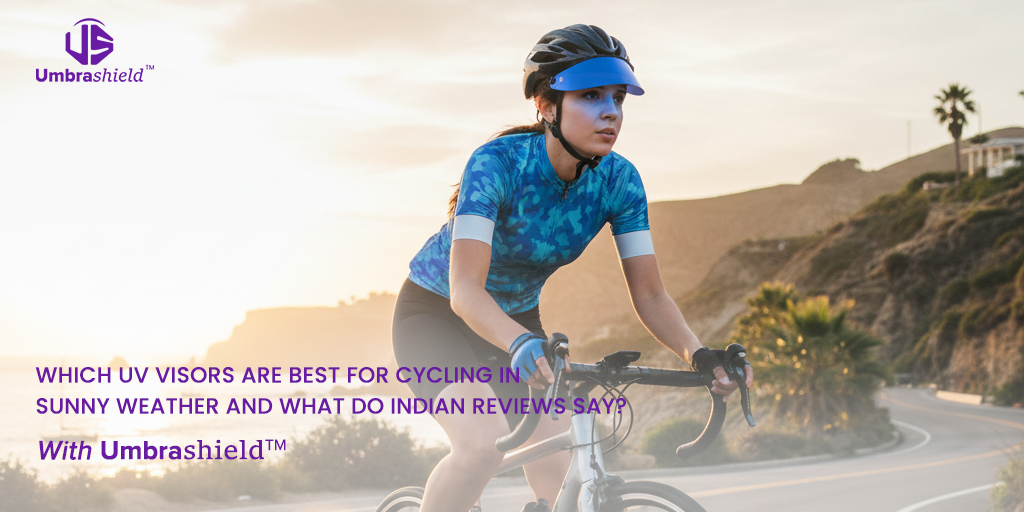
Cycling on a bright, sunny day can be incredibly refreshing — until the sun’s rays start beating down. For many cyclists in India, protecting the face from harmful ultraviolet (UV) rays while riding has become a genuine concern. This has led to a surge in searches like how to choose a UV visor for cycling in sunny weather, customer reviews for popular UV visors for outdoor sports, and UV visor reviews by Indian outdoor sports influencers.
In this guide, I’ll walk you through how to choose the right UV visor for cycling outdoors, what Indian cyclists are saying about their experiences, and why some visors become go-to picks for long rides under the sun. This is honest, practical advice — not marketing fluff.
How to Choose a UV Visor for Cycling in Sunny Weather
When you think of UV protection for cycling, the first thing that comes to mind might be sunscreen or sunglasses. Those help, but they don’t stop reflected UV rays or prolonged direct exposure. A quality UV visor adds a physical barrier between your skin and the sun. But not all visors are created equal, especially when the goal is cycling under intense sun.
Here are the key things to consider before buying:
1. True UV Protection — Not Just a Face Shield
A visor must filter both UVA and UVB rays. Many products labeled “sun shield” use plain plastic that blocks dust but not UV radiation. For cyclists, this means continued tanning, heat stress, and potential skin damage over time. Look for visors that clearly state UV protection percentage (ideally 99%+) and whether they block both UVA and UVB.
2. Clear Vision Without Distortion
Cycling demands uninterrupted vision. A visor that blurs, distorts, or creates glare is not just uncomfortable — it’s unsafe. Opt for visors with good optical clarity, anti-glare finish, and minimal distortion so you can see the road, obstacles, and traffic clearly.
3. Comfort and Fit for Active Use
A visor that digs into your forehead, traps sweat, or moves while pedaling will quickly end up unused. For cycling:
- Choose lightweight designs.
- Soft, adjustable headbands help reduce slipping.
- Good airflow reduces fogging, especially during long rides.
4. Sweat and Fog Resistance
Cycling increases body temperature and sweat. A visor that fogs easily or traps perspiration on your face will become more irritating than protective. Many good options have anti-fog coatings or spacing that promotes airflow.
5. Durable and Scratch-Resistant
Rough rides, backpacks, or dropping your gear are common realities for cyclists. A scratch-resistant surface helps keep your visor usable and clear over time.
6. Indian Weather Realities
India’s sunlight can be brutal — high heat, high humidity, and UV exposure even on “overcast” days. A visor designed specifically for Indian conditions should be able to handle:
- Long hours of direct sun
- Strong reflected light from roads
- Heat that can cause fogging or sweat buildup
So, while many visors might claim UV protection, only a few are truly built for active sun exposure in outdoor sports scenarios like cycling.
One brand that many Indian users mention is Umbrashield — designed with focus on UV filtering for everyday outdoor use. It pairs UV filtration with clear visibility and comfort, making it a frequent recommendation in outdoor activity communities.
What Indian Cyclists Are Saying — Customer Reviews for UV Visors
Real-world experience matters more than marketing claims. Here’s a summary of what many Indian riders are talking about online and in user feedback loops:
“No More Tan Lines After Long Rides”
Several cyclists noted that after 20–30 km rides in harsh sun, visors with genuine UV protection significantly reduced tanning on the face, especially around the forehead and cheeks. This was a common comment from riders in Chennai, Bengaluru, and Pune — cities known for intense sunlight.
“Better Than Sunglasses Alone”
Cyclists who already used sunglasses reported that by combining them with a UV visor, they felt better protected. Sunglasses primarily shield the eyes, whereas a good visor protects the entire face including sensitive skin areas around the cheeks and temples.
“Comfort Matters”
Not every visor feels good during a 50 km ride. Some users pointed out that heavier visors or those with tight headbands caused discomfort after an hour of cycling. Lightweight UV visors with soft, breathable head straps received much better feedback.
“Visibility Is Key”
Many riders said that visors with poor optical quality — especially cheap tinted ones — made it hard to see road signs, potholes, and approaching vehicles. Visors with clear, distortion-free plates were universally preferred.
“Sweat and Fog”
Cyclists who rode early mornings or late evenings in humid cities reported fogging issues with lower-end visors. Visors with airflow design or anti-fog properties were consistently rated better.
These real user insights show that many Indian cyclists are not just looking for shade — they want practical protection that stays comfortable and clear while riding.
UV Visor Reviews by Indian Outdoor Sports Influencers
When influencers test gear, they usually focus on performance, comfort, and real-world usability. Across Indian outdoor sports communities, some common themes emerge in their reviews:
Reliable Protection Over Cosmetic Sun Shields
Many top cycling and outdoor gear reviewers emphasize the difference between “fashion-type sun shields” and functional UV visors that actually protect from UVA and UVB rays. They often test these visors under intense sunlight, long rides, and in combination with other gear.
Versatility for All Outdoor Activities
Influencers often recommend UV visors that can double for other sports — walking, trekking, or even gardening — because the protection is real and clear. This reflects a broader understanding that not every outdoor product needs to be single-purpose if it performs well.
Form Factor and Aerodynamics
Some reviewers specifically look for visors that don’t flap or bounce at cycling speeds. Aerodynamic design, secure fit, and lightweight feel are often cited as deciding factors.
Indian Weather Test
Reviewers from different parts of India — Delhi’s dry heat, Kochi’s humidity, Ahmedabad’s intense sun — often test visors in local conditions. Visors that perform consistently across varied climates receive higher praise and recommendation.
Recommendation Trends
While several brands get mentioned, products that clearly state UV protection standards, comfort for long use, and real customer feedback tend to rise in influencer roundups more often than cheap generic alternatives.
Final Tips Before You Buy a UV Visor for Cycling
- Check UV Protection Claims: If a product doesn’t explicitly state UVA and UVB blocking percentages or certifications, be cautious.
- Read Local Reviews: Indian users’ feedback matters because weather and riding habits here are unique.
- Try Before Long Rides: A test ride around your neighborhood helps you judge comfort and visibility before relying on it for long rides.
- Pair With Other Protection: Sunscreen, hats with visors, and proper clothing still complement the protection from a UV visor.
A good UV visor isn’t just shade — it’s a practical sun-protection tool that helps you ride safer, look after your skin, and enjoy long cycling days without constant squinting or discomfort.